Best Practices for Indoor Play at Era Pickleball Courts
Indoor pickleball at Era Pickleball Courts combines the precision of a well-tuned craft with the pace of a fast-moving rec game. From lighting that flatters a soft off-speed drop shot to the quiet hum of air circulation that keeps the ball predictable, the indoor environment shapes how players approach technique, strategy, and everyday etiquette. I’ve spent seasons bouncing around indoor venues, tracking what makes a practice session crisp and what turns a casual match into a frustrating slog. The perspective here is grounded in real-world play: the way the floor feels underfoot, the way the ball travels off the walls, the way noise levels shift during a crowded weekend. If you grant yourself a few flexible hours and a willingness to adapt, Era Pickleball can become a remarkably consistent environment for improving your game.
Navigating Indoor Realities
The indoor court is a controlled space, but it disguises a set of subtle challenges. The court surface at Era Pickleball Courts tends to be a composite or sport-tile material designed for consistent bounce and grip. The texture matters more than you might expect. A floor with too much give can sap pace from a drive, while a surface that’s too slick invites slip-bounds that derail footwork. A reliable approach is to arrive early on practice days and test the surface with a few rallies. Pay attention to how the ball comes off the floor and how quickly your feet accelerate in the first three steps. This is not about chasing perfect metrics; it’s about calibrating your feel so you can translate your outdoor practice into indoor success.
Lighting plays a central role in shot visibility. Indoor courts at Era Pickleball are designed to minimize glare, but the best players tune their timing to the visual rhythm of the room. The trick is to watch the ball not only as it leaves the paddle but also as it crosses the middle of the court with respect to the surrounding walls. You’ll notice that the ball can appear to travel slightly differently than you expect once it caroms off the back wall or the side panels. Good players maintain a slight forward lean during dinks and adopt a patient swing when the ball is high and slow. The goal is to keep your eye on the ball and your feet anchored in a position that lets you respond without over-rotating the shoulders or losing balance. In practice, this commitment to stable posture yields clearer, more consistent contact on soft shots and fewer errant errors when the pace picks up.
Another critical variable is sound. Indoor leagues at Era Pickleball Courts often creak with the energy of a busy night, so keeping eye contact with your partner and maintaining rhythm with your team becomes essential. The court may feel tighter because of the echo in a smaller space, and that can amplify mis-located returns. If you’re new to indoor play, you’ll learn to pace your strings and swings more deliberately. The moment you rush a shot, the ball picks up speed as it travels toward the net or wall. Slow, deliberate contact returns control. This is not a one-time lesson; it’s a recurring adjustment that improves with court knowledge and experience.
Grip, paddle, and paddle choice
Era Pickleball Courts typically feature standard graphite or composite paddles with a balanced profile that favors quick responses. The indoor environment rewards a paddle that blends maneuverability with a touch-heavy feel on soft shots. If you are upgrading or exploring new gear, aim for a paddle that offers predictable response on both the forehand drive and the gentle dink. You want a paddle that allows you to absorb pace without overcompensating with extra swing. In practice, players who experiment with slightly lighter weights often find they can preserve control on the dink and still generate solid pace on cross-court exchanges.
Grip size matters more indoors than most people expect. A grip that’s too small can force awkward wrist movement, reducing stability on net trades. A grip that’s too large invites fatigue in longer sessions. The sweet spot is a comfortable, non-tense hold that allows you to move your wrist fluidly for spin and control. My recommendation is to test three grips during a single practice block. Start with your outdoor paddle if you use one, then compare it to a midweight indoor model. Pay attention to how your shoulders feel after a 20-minute rally. If you’re tensing up in your forearm, you’re likely gripping too hard, which translates into stiffer contact and less precision on the net.
Footwork that survives a crowded court
The rhythm of indoor play is different. There’s less air resistance to slow you, so the ball can feel quicker to react to than it does outdoors. Footwork becomes the anchor of your strategy. Start with a consistent movement pattern that keeps you light on your feet. Small adjustments in stance alignment can open or close passing lanes at the net. A common indoor issue is players widening their base too much during a dink exchange, which reduces their ability to retreat or pivot quickly. The recommended approach is to maintain a compact, athletic base, with knees slightly bent and eyes level. In practice, this translates to shorter lateral shuffles rather than large, telegraphed steps. You’ll find you can glove a ball off the dink and slip into a favorable projection for the next shot with less wasted motion.
Reading the walls
Indoor walls are not just boundaries; they are part of the game. The ball can grab a sidewall and rebound in unpredictable trajectories. Seasoned players learn to anticipate caroms by watching where the ball hits the wood or painted surface in the moment before contact. If you have a yard long to position for a return, use it. The most consistent indoor players develop a mental map of how the ball behaves in your Era Pickleball Courts facility. This is a mix of observation and experience, and it rewards players who keep a small notebook in their heads about which wall configurations led to which outcomes in the previous matches. Your dink accuracy will improve as you learn to read the walls as a natural extension of the court itself.
Player etiquette and flow
Indoor play is as much about social etiquette as it is about shotmaking. The best experiences at Era Pickleball Courts hinge on a culture of respect, clear communication, and efficient use of the court. A few non-negotiable habits make a big difference in crowded times.
First, always acknowledge your opponent. A quick, friendly call when you’re about to execute a shot helps set the tone for a positive rally. If a shot travels toward you and you need to pause, announce your intent with a brief, decisive decision. This reduces miscommunication and avoids awkward moments at the kitchen line. Second, manage your time on the court with purpose. In peak hours, courts can turn over quickly, and players appreciate partners who keep rallies focused and purposeful. If you’re in a longer, off-court break, communicate with your neighbors. A short heads-up about a service change or a plan to rotate can save ten minutes and a few tense exchanges. Third, respect equipment and space. Indoor courts may have racks of paddles, bags, and footwear that look identical to yours. Label your gear, or keep track of your own locker space. The indoor environment highlights the importance of organization. A tidy bench and a named bag reduce friction and help everyone stay in rhythm.
Strategy in close quarters
The indoor court invites a different tactical approach than a sunny outdoor afternoon. The shorter sightlines and steady bounce give priority to control and patient footwork. A common indoor pattern is to lean into short, fast exchanges at the net while keeping your baseline distance tight. If you’ve played outdoor, you’ll notice the difference immediately: indoor walls can create an assumption that the ball can be redirected with more confidence, but the physics are different. You should treat the net as a true barrier and resist the urge to push beyond it with reckless aggression. Instead, you’ll want to exploit the corners with precise, low trajectories that force your opponent into a reaction rather than a decision. The indoor environment invites a higher percentage of dinks and third-shot drops because the ball’s behavior creates more predictable, reachable returns.
A practical approach to drills and practice blocks
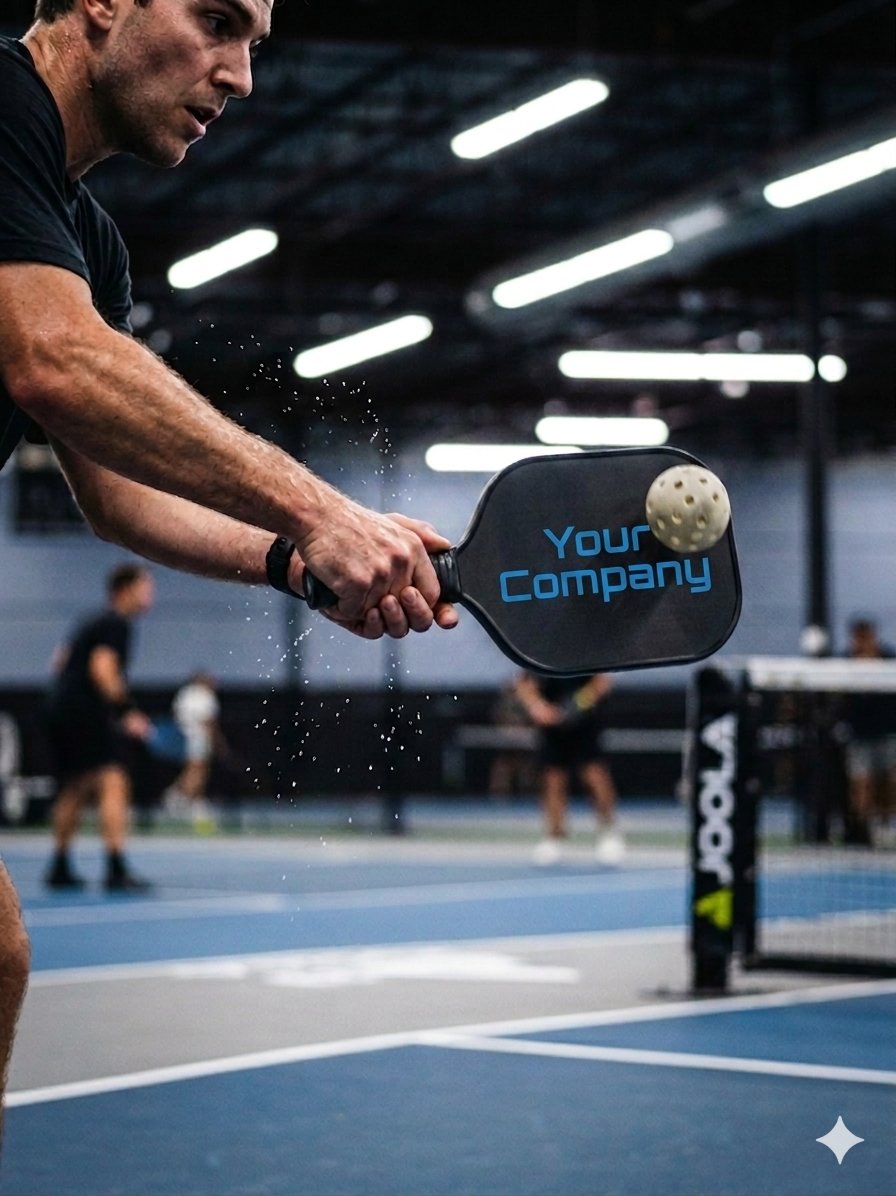
The most productive indoor practice sessions combine technical reps with short, scenario-based drills. Here is a practical framework you can adapt to Era Pickleball Courts.
1) Warm-up sequence that primes the wrists and ankles 2) Net work that blends soft dinks with occasional pace to test reaction 3) Cross-court drives to sharpen angle control 4) Back-and-forth drills that emphasize third-shot drop accuracy 5) Mini-scrimmages that enforce center-of-court positioning and communication
In each block, aim for a target number of high-quality exchanges rather than a fixed duration. For example, focus on achieving 15 decisive exchanges at net level with controlled pace, then shift to a 5-minute rally that emphasizes movement and anticipation. The crucial element is feedback. If you notice the ball’s bounce changing as you progress through a drill, stop and reassess. Indoor play rewards rapid iteration, but it also rewards restraint and deliberate adjustment when necessary.
Case studies from the floor
I’ve watched players who arrived with a laundry list of outdoor tricks and watched them stumble indoors until they adapted to the surroundings. A common pitfall is attempting to replicate outdoor tempo with a heavy drive from the baseline. Indoors, the ball often carries sooner and the court shrinks the available angles. A veteran player might adjust by dialing back pace on the backhand indoor pickleball courts drive and replacing power with placement. In practice, this yields more consistent rallying and fewer forced errors as the match progresses.
Another frequent scenario involves managing transitions from service to the baseline. Indoors, a well-executed serve should yield a predictable return that places the receiving team in a defensive posture rather than a rushing counterattack. The most reliable indoor servers learn to mix pace and spin with a high level of consistency, which keeps opponents off-balance without sacrificing control. You’ll see a noticeable uptick in quality rallies when players maintain this approach, even during crowded weekend sessions.
Maintenance and care inside Era Pickleball Courts
The floors, the walls, the paddles, and the shoes all deserve care. A well-maintained indoor facility creates a stable environment for everyone. If you’re a regular, you’ll appreciate the small rituals that keep the place welcoming and safe. Before you start a session, do a quick sweep of your area to ensure no loose bags or damp towels are in the line of return shots. If you notice a scuff on the floor or an area that looks slick after a rain, report it to staff so it can be addressed. Clean shoes are more important indoors than you might think. Dirt and moisture that accumulate on the soles can transfer to the court and create uneven bounce. If the venue provides grip towels, use them to dry your shoes and keep your footing solid.
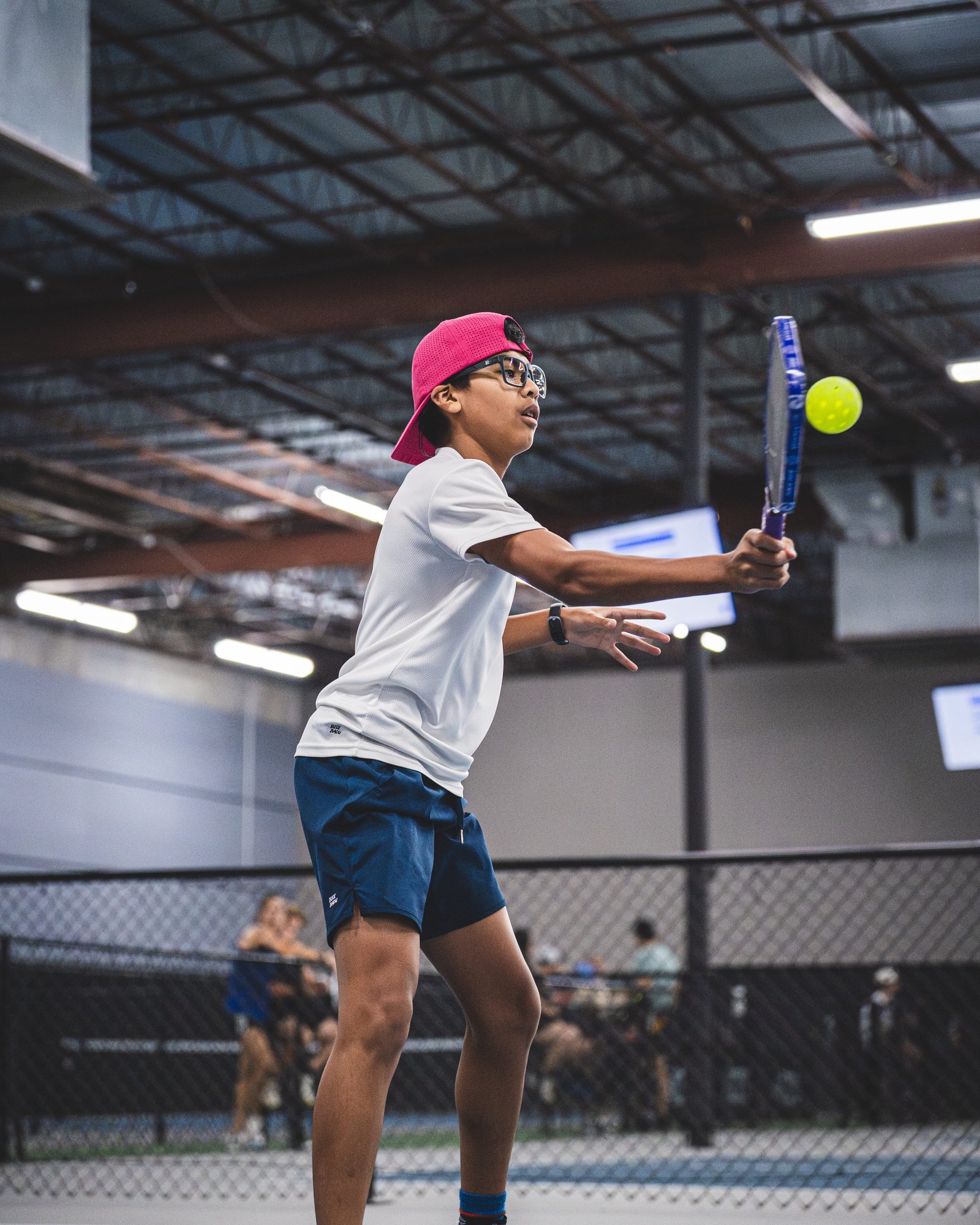
During matches, keep the pace clean and the echoes manageable. If you encounter a noisy stretch or a crowded moment, you can adapt by shortening exchanges and focusing on precision rather than pace. After practice, a few minutes of light footwork and wrist warm-down can help prevent stiffness. The goal is to leave the court in the same or better shape than you found it, so the next player enjoys the same predictable experience you benefited from.
Two practical checklists to keep in mind
Checklist 1: Gear and court readiness
- Ensure your paddle grip is comfortable and not slick
- Wear non-marking court shoes that provide steady traction
- Bring a clean towel and a water bottle, placed where you can access them without stepping into the playing area
- Check that your paddle is within the weight and balance range you have trained with
- Label your bag and gear to prevent mix-ups in crowded periods
Checklist 2: In-court etiquette and flow
- Announce intention before executing a shot that might drift through a small boundary
- Keep rallies purposeful in crowded times, aiming for high-quality exchanges
- Rotate partners smoothly if you’re part of a league or club block
- Communicate effectively with your teammate and your opponents when a ball goes out
- Respect the court and equipment, and clean up after yourself
The inner life of an indoor player
What separates a competent indoor player from a great one is a willingness to adapt on the fly. Indoor play rewards players who store practical knowledge—where the ball tends to rebound off a particular wall, how much you should bend your knees to cushion the bounce, and how to shift your stance to maintain balance on longer rallies. When you begin to internalize these patterns, your shots grow more deliberate, your movement more economical, and your communication with partners more precise.
The endgame is not simply winning points; it is playing in a way that makes the best use of the indoor environment to secure reliable outcomes. That means being patient with your own progress and keeping your ambitions aligned with the court you are on. It also means recognizing that your results are shaped by more than your physical skill. The court, the crowd, the lighting, the air quality, and the rhythm of the game all feed into your performance. You learn to accept a momentary setback as a cue to adjust, rather than a verdict on your potential.
A note on community at Era Pickleball Courts
Era Pickleball Courts is more than a venue. It is a community where players meet regularly to exchange tips, celebrate wins, and support each other through the inevitable learning curve. The indoor environment can be quiet and intense at once, but the culture tends to prize good-natured competition. The best players are not the ones who shout the loudest or show the most dramatic moves. They are the ones who stay steady under pressure, keep the ball in play, and lift their teammates through smart, disciplined play. If you are just starting out, you can lean on experienced players for guidance, and you can also volunteer to help with court setup or business-like tasks that keep the operation smooth. The more you invest in the community, the more the court becomes a place where your skills grow in a sustainable rhythm.
The future of indoor play at Era Pickleball
As Era Pickleball continues to expand indoor offerings, the emphasis on consistent practice and thoughtful play will only grow stronger. The courts will likely introduce improved lighting controls, more standardized floor textures across facilities, and integrated training aids that help players track ball speed, spin, and trajectory. The best players will be those who welcome these tools as extensions of their tactics rather than as crutches. In practice, this means combining traditional drills with data-informed adjustments that refine footwork, shot selection, and partner communication. You’ll see players who rely on a well-balanced mix of technical precision and adaptable strategy, capable of shifting gears mid-rally when the walls begin to dictate the pace.
A closing note on practical wisdom
Indoor play at Era Pickleball Courts rewards preparation as much as improvisation. The most successful sessions blend technique with strategic awareness and a calm, forward-moving energy. If you walk onto the court with this mindset, you will find the indoor space both challenging and generous. You will also discover that the small, consistent improvements compound over time into a reliable, repeatable skill set that translates to outdoor play too. The core truth is simple: the court will respond to your intent. If you come ready to learn, the indoor arena will yield clarity, confidence, and steady progress that lasts well beyond a single match or a single season.
The journey is ongoing, and that’s what makes indoor pickleball at Era Pickleball Courts so compelling. It is a space where practice habits translate into performance, where the walls become allies rather than obstacles, and where community support turns everyday rallies into meaningful progress. Whether you are chasing a higher league standing, seeking to extend your competitive season through the winter months, or just trying to bring more consistency to your dink game, the indoor court offers the conditions and the culture to grow. With patient work, precise equipment choices, and a thoughtful approach to movement and strategy, you can turn every practice into a meaningful step forward.
If you are new to Era Pickleball, I encourage you to book a few practice sessions with coaches who understand the indoor environment. Sit in on a few clinics if your schedule permits. Ask questions about which drills they favor for indoor conditions, how they balance pace and placement, and how they teach players to read the walls. You will hear practical, grounded answers that you can apply on your next session. And when you do apply them, you will notice the difference not only in your scores, but in your confidence and your enjoyment of the game.
The indoor court is a living, breathing part of the Era Pickleball experience. It rewards discipline, curiosity, and a willingness to adapt. With the right mindset and a few concrete adjustments, you can harness the unique energy of Era Pickleball indoor spaces and make every rally count.