Era Pickleball: From Lessons to Leagues at Local Facilities
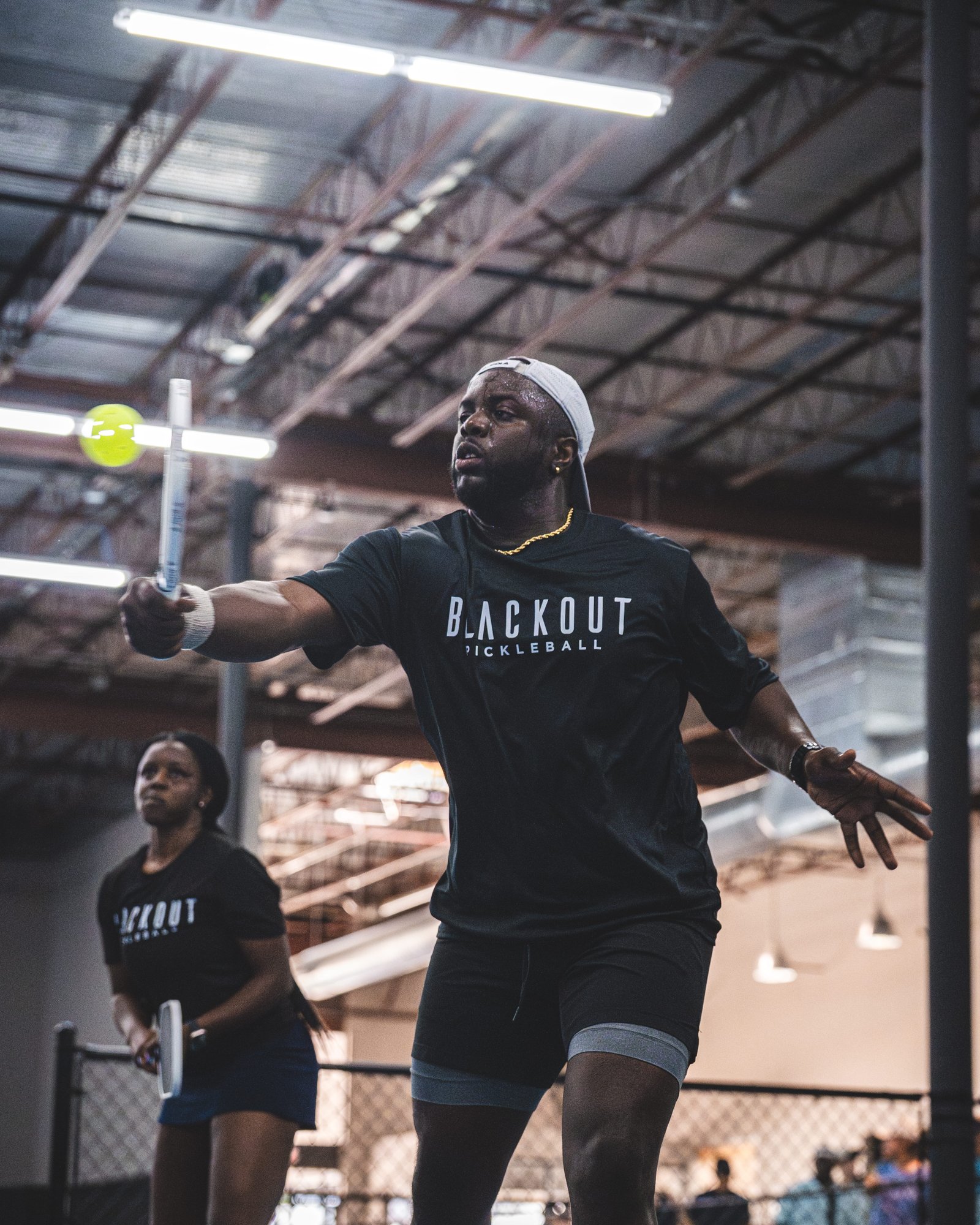
The first time I watched a pickup game at Era Pickleball, the scene felt almost cinematic in its simplicity. A handful of players huddled around a bright green court, a light rain pattering on the shelter above, and the unmistakable pop of a well struck ball slicing through the air. What began as a casual afternoon of practice for a friend soon revealed a larger story about how a local facility can become a community hub. Era Pickleball isn’t just a place to swing a paddle; it is where beginners find their footing, competitive players find pace, and leagues find their rhythm.
If you live near Era Pickleball or you’ve been scanning the map for indoor and outdoor pickleball options, you know this is more than a sport with a growing fan base. It is a carefully cultivated ecosystem that blends accessible instruction, robust facilities, and a social fabric that can turn a casual hobby into a regular part of your week. The arc from lessons to leagues at Era Pickleball facilities is both practical and aspirational. It mirrors a broader trend in community sports where curated spaces make it easier to learn, improve, and connect.
A good facility understands that beginners arrive with questions that can feel almost existential in the first days. Will I look silly? Will my serves clear the net? Can I keep up with players who have been at it for years? Era Pickleball answers those questions with a deliberate approach to space, staff, and schedule. It is not enough to have a court. You need the right courts, the right vibe, and a path from entry to involvement that feels both welcoming and rigorous. The transition from lessons to leagues is the hinge of that path, and it is where the real momentum happens.
A mature program at Era Pickleball begins with life on the ball. Beginners learn how to grip, where to stand, and how to move on the court with intention. The next layer covers shot selection under pressure, footwork when the ball arrives quickly, and the rhythm of drills that build both confidence and consistency. As players grow, the facility shifts focus toward strategy. You see this in the way clinics are structured, in the cadence of practice sessions, and in the social events that knit the community together. The end goal is not simply to win a rally; it is to understand what separates good players from great ones and to internalize that knowledge to keep improving.
What makes Era Pickleball distinctive is how it translates that knowledge into practical experience. The best coaches bring a blend of technical explanation and lived wisdom. They recall the fear and the mis-hits of their own early days and translate those memories into tangible guidance for beginners. You will hear about paddle control on dinking drills, the value of patient shot selection, and the art of creating a pressure chain that wears down opponents over time. The result is a learning curve that feels fair, even for a total novice. The courts stay patient with you, and the schedule stays patient with your progress.
From a member’s perspective, the most compelling aspect is how the Era Pickleball model scales. Lessons are not a one-off event but a sequence that builds into a larger commitment. A newcomer can sign up for a basic introductory series, then graduate into more specialized clinics, and eventually step into the world of leagues where weekly matches become a rhythm rather than a novelty. The structure promotes accountability while preserving accessibility. You do not have to strong-arm your way into a tournament circuit; you ease into competition through a series of carefully designed steps.
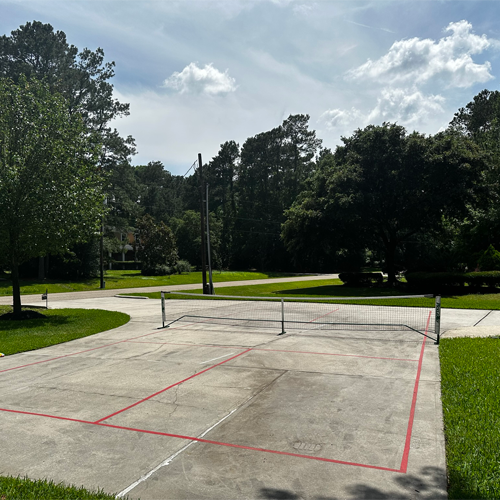
The physical environment matters as much as the pedagogy. Era Pickleball facilities tend to emphasize climate control for indoor courts and smart surface choices for outdoor ones, recognizing that the playing surface can influence everything from bounce to footwork. Indoor courts often feel like a sanctuary from weather, with clean lines and consistent lighting that reduces misreads. Outdoor courts, while subject to sun and wind, typically offer varied layouts that encourage adaptability and situational awareness. The net tension is standardized to avoid the sort of inconsistency that can frustrate a developing player. In both cases, the goal is to strip away avoidable variables so players can concentrate on technique and decision making.
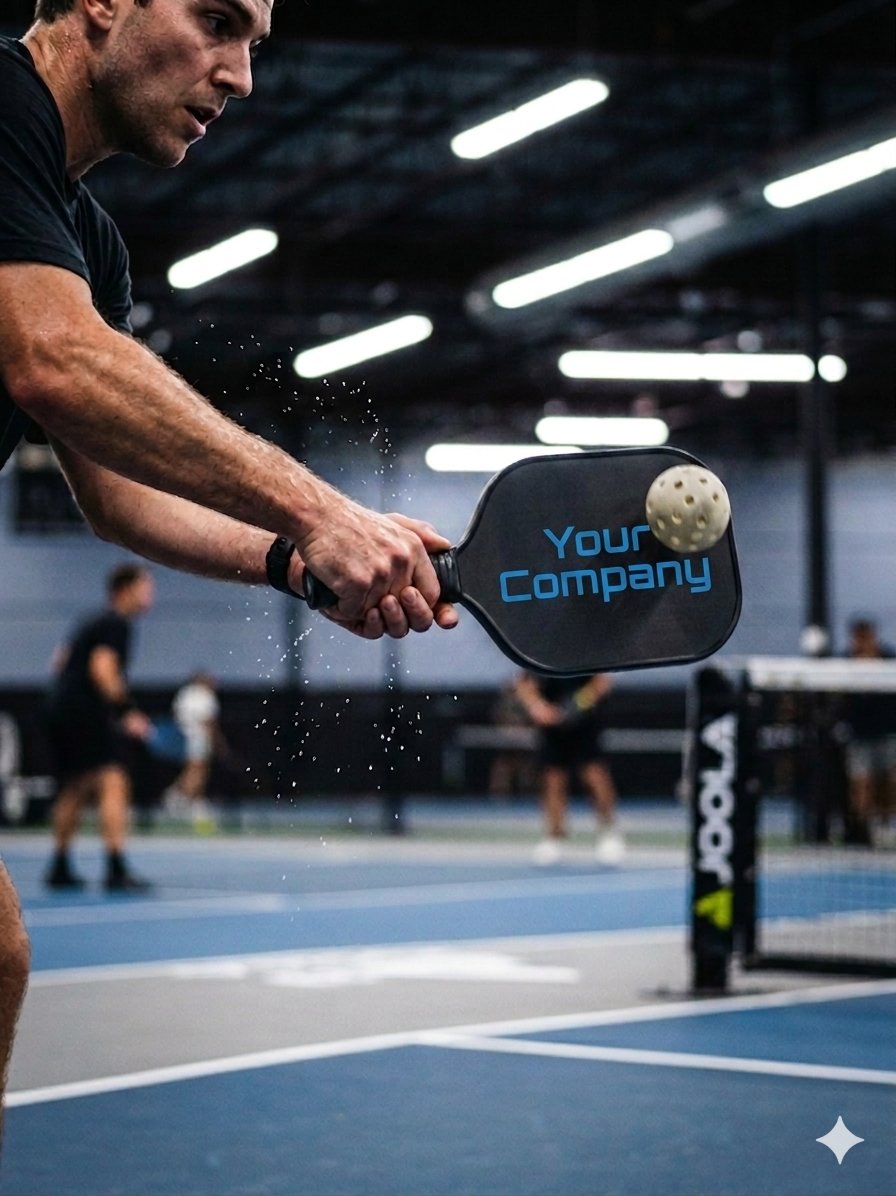
Coaching at Era Pickleball is rarely a single-voice affair. You will hear from a cadre of coaches who bring different strengths to the table. Some emphasize footwork and balance, others break down shot mechanics with video analysis or slow-motion feedback. A few focus on mental aspects—the pre rally routine, maintaining focus during lobs, and recovering after a mis-hit. This diversity matters because no two players learn the same way. The best programs deliberately rotate instructors so students experience a spectrum of perspectives, which in turn accelerates learning. The result is an environment where growth is visible and tangible, not abstract.
Leagues are the culmination of the instructional arc, and they are where the magic happens. The moment a group of players agrees to set schedules, create team names, and draft opponents, the facility earns a new kind of currency: commitment. Leagues at Era Pickleball operate with a friendly but real stakes dynamic. You’ll see guaranteed matchups, consistent weeks, and a social layer that keeps players returning between games. Some leagues lean toward social play, with emphasis on camaraderie and inclusive participation. Others skew competitive, providing a pathway for players looking to test themselves against a structured field. The best setups strike a balance, offering meaningful competition while preserving the welcoming atmosphere that attracts newcomers in the first place.
What does it look like to move from a first lesson to a league match at Era Pickleball? In practical terms, it starts with a starter package that might include court time, a series of fundamental drills, and access to a community app or schedule board. A beginner will learn the basics—serve mechanics, return positioning, and basic rallying—before gradually incorporating more complex sequences like third-shot drops, transition to net play, and defensive resets. The coaching staff monitors progress and can recommend the appropriate next step, whether that is a more advanced clinic or an entry-level league slot. It is not unusual for players to enter a league within a few months of taking their first lessons, especially if they approach practice with consistency and a constructive mindset.
One of the most powerful aspects of Era Pickleball is the social glue it provides. Pickleball, at its core, is social. The sport invites strangers to connect quickly, share a few jokes, and exchange tips mid rally. The best facilities capitalize on this by weaving casual gatherings, happy hours, and skill-sharing sessions into the calendar. These occasions turn a sport practice into a community ritual. When you show up for a league night, you know someone will bring a spare paddle, there will be room to warm up, and there will be a scoreboard that keeps things moving but never becomes punitive. Over time, the social dimension becomes as important as the technical dimension, and that is where true belonging takes root.
If you are considering Era Pickleball for the first time, there are a few practical realities to keep in mind. The most important is to be honest about your current level. Are you a complete novice who has only swung a paddle twice, or do you already have a stable forehand, a reliable serve, and some game sense? The right starting point is essential to maintain momentum. Do not underestimate the value of a good assessment from a coach. A few minutes of feedback can save weeks of trial and error. The second reality is time. A typical lesson or clinic runs an hour to ninety minutes, and a league season often spans indoor pickleball courts six to twelve weeks depending on the program. If you are juggling work, family, and other commitments, block out a consistent time, or you risk losing the thread of progress. The third reality is equipment. A paddle that suits your height and swing style matters more than you might expect. If you can, borrow a few paddles at first to see what feels right, then invest in a quality model that balances control and power without strain on your wrist.
The era of pickleball has been characterized by a willingness to experiment with formats. Era Pickleball facilities often host clinics that blend drill sets with live play, which helps players see how technique translates under pressure. They also offer theme nights—drills focused on a single skill, like dink control or transition defense—that keep practice varied and exciting. For those who crave deeper engagement, there are occasional showcases where teams display creative strategies, an informal stage where players can study tactics without the pressure of a formal tournament. These events serve as both inspiration and education, giving participants a concrete picture of what could be possible when skill meets commitment.
A crucial element underpinning success at Era Pickleball is community governance. The best facilities empower players to contribute to the ecosystem. This can take the form of volunteer roles, such as helping organize a league schedule, assisting in a beginner clinic, or serving on a social committee to plan post-match gatherings. When members feel ownership, they treat the facility with care and respect, and the quality of the experience rises for everyone. This is not merely about keeping things tidy; it is about cultivating a sense of shared purpose. It is a practical example of how a community can sustain itself through small, everyday acts of stewardship.
The economics of joining a pickleball facility like Era Pickleball is another practical concern that often informs decisions. The pricing models vary, but you typically see three core components: a facility access fee, a class or clinic fee, and a league entry or participation fee. The combination of these costs should be weighed against personal goals. If you want a casual weekly hit with friends, a lower commitment package might be perfect. If you are aiming for competitive improvement, a more robust program with coaching and structured leagues will deliver a higher return on your time and investment. When you factor in the social value—the routine, the new friends, the accountability—the cost often looks more like a reasonable trade for consistent progress rather than a barrier.
Where Era Pickleball makes a meaningful difference is in the way it documents progress and translates learning into results. Access to performance tracking, even at a basic level, helps players see small but important improvements. A veteran coach might highlight a particular metric, such as net clearance accuracy or the speed of a third shot drop. The ability to observe these data points, discuss them with a coach, and then apply changes in practice is a quiet revolution in community sport. It helps people stay motivated, especially during plateaus when progress feels paused. Seeing a chart or a brief set of notes from a session can reframe a week of practice into a clear set of next steps.
For many players, the journey from lessons to leagues is navigated most effectively when there is a clear and predictable cadence. The schedule might look something like this: an introductory clinic to build fundamentals, a follow-up session focused on shot variety, then a six to eight week league pilot designed for beginners. If you want to speed things up, you can pair private practice with group clinics, but the core principle remains unchanged—you need repetition, feedback, and community to transform technique into instinct. When the cadence is right, you begin to see tangible changes in your game within a matter of weeks. The ball comes off the paddle with better control, your movement feels smoother, and your decision making becomes more deliberate rather than reactive.
An honest assessment of Era Pickleball would be incomplete without acknowledging the edge cases that shape the experience. Not every player will thrive in the same environment, and not every facility will be equally aligned with a given player’s needs. Some people have a preference for ultra-competitive leagues that push their boundaries, while others seek a more relaxed, social atmosphere that prioritizes fun and inclusivity. Similarly, not every indoor facility will offer the same court density or climate control, and outdoor courts can vary with wind patterns and shade. The best approach is to visit a couple of locations within the Era Pickleball network, take a trial lesson, and attend a league night if possible. This firsthand exploration gives you a realistic sense of fit, which is often more informative than any brochure.
If you are reading this and wondering whether Era Pickleball is the right fit for you, here is a concrete way to frame your assessment. First, ask about the availability of beginner-friendly programs. A strong program should offer a structured pathway from first hit to regular competitive play. Second, inquire about the coaching staff’s approach to progression. Look for coaches who emphasize fundamentals without stifling experimentation, and who can tailor instruction to your learning pace. Third, gauge the social climate. Are players welcoming to newcomers? Is there a sense of community beyond the court, with social events and feedback loops that help you grow? Fourth, assess the practicalities. Are the hours convenient for your schedule? Is the facility clean, the lighting good, and the paddles and courts well maintained? Finally, consider the cost against your goals. A well-structured program can deliver more value than a casual drop-in if you are committed to steady improvement.
As someone who has watched the sport mature in a local setting, I’ve seen a recurring truth: the value of Era Pickleball rises with the clarity of its pathways. When a facility publishes a straightforward ladder from beginner lessons to intermediate clinics and then to leagues, it creates a psychological map for players. People know what the next milestone is, and that knowledge alone can sustain engagement during inevitable slumps. The best programs do not pretend there is a single path to mastery. They present options, describe trade-offs, and let players choose the route that matches their appetite for challenge and time.
In practical terms, that means you should expect several overlapping tracks within a single Era Pickleball facility. There are often youth programs that parallel adult offerings, a spectrum of clinics that run on evenings and weekends, and occasional open-play blocks designed for practice without the structure of a formal session. If you are a parent, you will appreciate how these timetables align with school schedules and family routines. If you are a working adult, you will value the ability to carve out a consistent slot that becomes a recurring habit rather than a sporadic activity.
To help you navigate the process, I offer two compact checklists that capture common paths people actually follow at Era Pickleball facilities. These lists are designed to be practical and realistic, not aspirational. They are intentionally short and concrete so you can use them as quick references when planning your week.
-
Your starter path
-
Sign up for a beginner clinic to learn grip, stance, and basic rallies
-
Attend a follow-up technique session focused on dinking and control
-
Try a short introduction to court positioning with live feedback
-
Join a low-stakes, social play night to test what you learned in real rallies
-
Consider a six-week league light option if you enjoyed the first steps
-
Your growth path for leagues
-
Take a mid-level clinic that covers movement patterns and shot selection
-
Enter a beginner league or a mixed-ability division to gain recurring match play
-
Schedule weekly practice with a coach or a partner to reinforce routines
-
Track progress with short reviews after each league night
-
Move into a more competitive bracket if your results and comfort expand
During the course of my involvement with Era Pickleball, I have learned to balance patience with persistence. The path from novice to league player is not a straight line; there are adjustments, mis-hits, and moments of doubt that can be both challenging and instructive. The most valuable preparation you can undertake is simply showing up consistently, listening to feedback with curiosity, and allowing your game to unfold in a pace that suits you. The best coaches understand that improvement is not about forcing progress but about creating conditions where progress becomes inevitable.
A final reflection worth holding onto is the social value embedded in the Era Pickleball model. The sport thrives on shared practice, on post-match conversations that turn a hard-fought rally into a learning moment, and on the simple pleasure of walking off the court with new friends who know your name. The social dimension is not a sideshow; it is the engine that sustains long-term participation. In a world where many activities can feel transactional, pickleball at Era Pickleball remains distinctly human. It rewards effort with visible, incremental gains, and it celebrates community with a degree of warmth that is easy to underestimate until you experience it.
If you are evaluating where to begin, consider this pragmatic sequence. Start with a fundamentals clinic to establish baseline skills. Add a private session for targeted refinement if you are dealing with persistent trouble spots. Then plan to join a beginner league or a social round-robin to acclimate to the pace of actual competition. Throughout, keep an eye on your schedule and your energy. The most sustainable athletes are those who can integrate the sport into their lives rather than trying to fit their lives around the sport. Era Pickleball makes this integration feasible through thoughtful programming, attentive coaching, and a culture that values steady progress over instant perfection.
What does growth look like a year into your Era Pickleball journey? In practical terms, you will notice two things: a higher comfort level under pressure and a clearer sense of your own playing style. You will start to recognize your preferred positions, the kinds of rally lengths you enjoy, and the situations that push you toward a quicker decision. You will also begin to notice the social scaffolding that supports your practice. The friend who splits time between a drill and a casual rally session becomes a teammate on league nights, and the coach who once offered general guidance now provides targeted, strategic feedback that accelerates your improvement. The arc becomes your own story, built one practice, one match, and one social gathering at a time.
The story of Era Pickleball is still being written in communities across the country. It is a story of how a sport grows when local facilities invest in people as much as they invest in courts. It is a story of how lessons lead to leagues when coaching is patient, schedules are predictable, and the social fabric remains at the center. If you are curious about Era Pickleball near you, a simple truth holds: the more you engage with the programs on offer, the more you will feel the effect in your own game and in your own week. The rest, as they say, is practice and participation—the two forces that have kept pickleball vibrant in every corner it touches.
In closing, if you walk away with one idea, let it be this: Era Pickleball is built to convert curiosity into routine. It is a place where a first gentle swing can become a regular habit, where a casual afternoon can evolve into a league night, and where a community can grow around shared effort and shared joy. The proof is visible in the courts, in the improved footwork of players who started with hesitant steps, and in the steady, friendly chatter that accompanies every match. It is a living reminder that sport, at its best, is less about winning and more about showing up, learning, and belonging. And at Era Pickleball, that combination is not a rarity—it is the default setting.