Era Pickleball pickleball training: Interval Drills for Quick Wins
The first time I watched a group of players swing through a ladder of interval drills, something clicked beyond the obvious adrenaline of a fast rally. It wasn’t just about moving the feet or sharpening a backhand. It was about teaching the nerves to breathe at the pace the game actually asks for, not the tempo of a single shot practice. At Era Pickleball, our pickleball classes have a way of distilling complexity into accessible blocks. Interval drills are one of those blocks that yield tangible gains in a short arc of time, especially for players who want to see measurable improvement without burning out during the first few weeks of training.
Pickleball is a sport that rewards compact decision making, precise timing, and the ability to reset quickly after a point. Interval training pushes those elements into the foreground. It creates a rhythm that mirrors a real match: short bursts of intensity, followed by controlled recovery, then another push. The beauty lies in the specificity. You’re not running arbitrary sprints or cycling through generic cardio. You’re shaping athletic patterns that translate directly to the court—how you move to take the ball earlier, how you manage your shot selection under pressure, and how you regain composure when the rally grows longer than you anticipated.
The aim of this article is to lay out interval drills that feel practical rather than didactic. The language of training should be a map, not a sermon. You want drills that fit into a 60-minute class, that scale up with ability, and that can be deployed by coaches at era pickleball training facilities or adapted for home practice using a wall, a partner, or a parked ball cart in the gym corner. I’ll share the core ideas, the framework that makes them work, and concrete examples that you can plug into your next pickleball class at Era Pickleball pickleball training centers or use as a blueprint for coaching sessions.
The heartbeat of interval work is simple: you alternate short, sharp efforts with brief periods of rest or lower-intensity activity. In pickleball terms, that means rapid exchanges, tight movement patterns, and high-cadence ball control during the work bouts, followed by purposeful recovery that preserves technique and sharpness. The best interval drills in this space don’t just jack up heart rate; they clarify the decision process. They force you to read the ball early, to commit to a direction, and to settle into your feet before you strike. When you can do this under the pressure of a controlled workout, you discover that the actual match tempo you face on the court feels less chaotic and more like a solvable pattern.
What follows is a practical guide to building interval drills that deliver quick wins. You’ll find a blend of drill design, coaching cues, progression paths, and tips drawn from years of work with players across a range of levels. The language is rid of fluff, but the ideas are carried by real world results—the kind of momentum you can feel in your legs and see in your form.
A practical starting point: how interval work translates to in-game performance
Interval drills do several things at once. They train your ability to win points with nondiscounted accuracy in short windows. They sharpen your court coverage with purposeful switching between attacking and neutral strokes. They improve your ability to control the pace of a point, so you aren’t always reacting to the ball at the last second. They also build a habit of quick recovery, so you don’t lose rhythm after a long rally and still have enough energy to reset for the next point.
In Era Pickleball pickleball classes, you’ll hear coaches emphasize the why as much as the how. Why am I hitting a drop shot here instead of a drive? Why am I stepping into the ball with my left foot first, even when I am right-handed? The answers aren’t just about technique; they’re about a pattern of play that reduces ambiguity during the moment of contact. Interval work crystallizes that pattern, embedding it into the nervous system so it becomes automatic under pressure.
The design of intervals also matters. Short, intense bursts force you to manage fatigue without breaking form. Longer, moderate bursts test endurance and consistency but still reward good technique. A well-rounded program blends both, so you develop speed, accuracy, and resilience in equal measure. In practice, you want drills that deliver a visible return in a compact timeframe, ideally within a single coaching block or a handful of class sessions.
Foundations you can rely on, even when the gym is crowded or the court is busy
First, establish a clear pace. A drill should have a defined work interval, a rest interval, and a target outcome. If you’re coaching, you want players to know what success looks like in each work block—reaching the ball early, maintaining balance, finishing a rally with a controlled shot. Without this clarity, the workout dissolves into chaos, and the benefits waver.
Second, respect the space between points. Intervals aren’t just about smashing balls faster; they’re also about learning how to decelerate, reset, and reengage with intention. A crowded court can tempt players to cut corners or rush, so set boundaries for safe, efficient movement. The best interval sessions happen when players can feel their breath, hear their own footfalls, and sense the precise moment to switch from defense to attack.
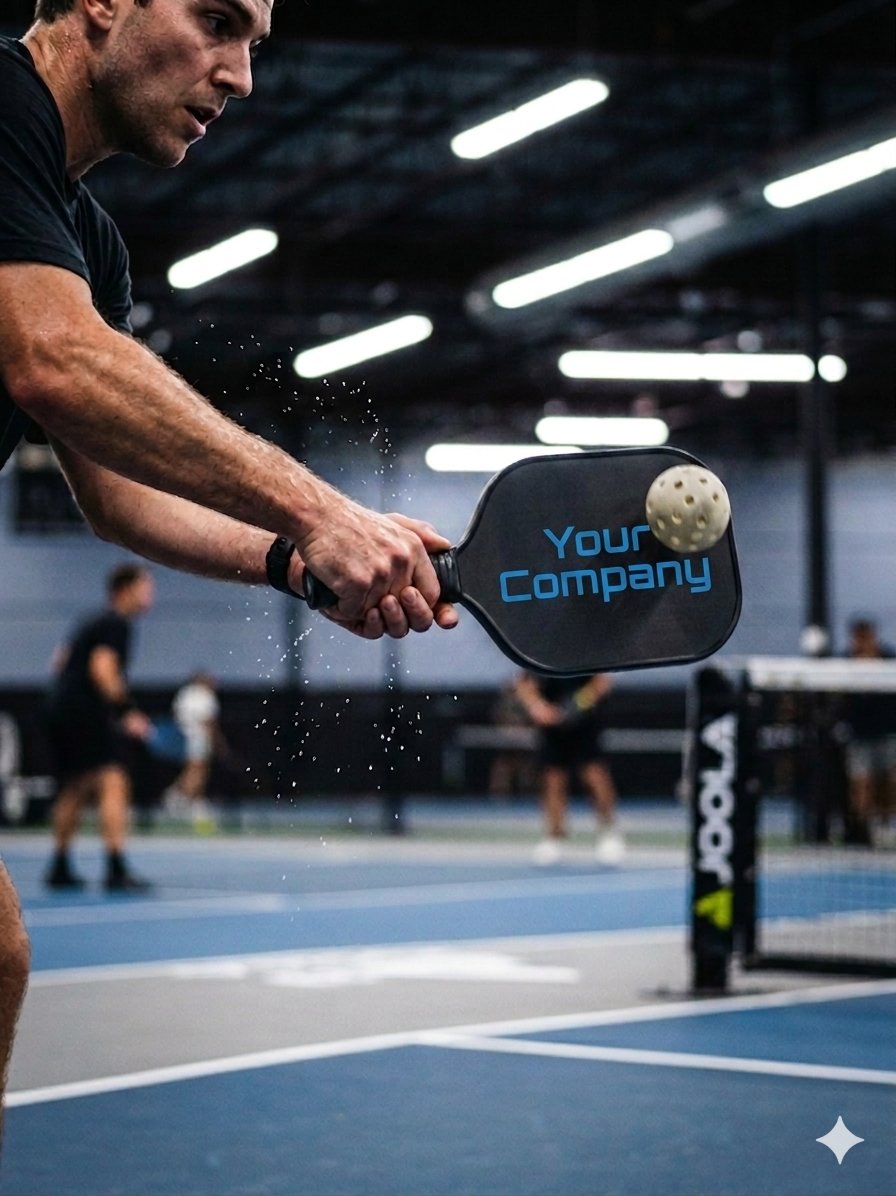
Third, use real-time feedback. Coaches should offer quick, concrete cues that players can apply immediately. A reminder to index the paddle, a nudge to shift weight onto the front foot, or an instruction to keep the paddle in front of the body at contact—all of these create an actionable loop you can repeat on the next rally.
A flexible framework that scales with skill
The interval framework you adopt should be adaptable. A high-cadence beginner group needs emphasis on balance and shot selection just as a more advanced group benefits from precision and pace. Because Era Pickleball pickleball training emphasizes practical outcomes, the drills should be modular: you can add intensity or complexity as players grow more comfortable, or pare things back to rebuild fundamentals after a setback.
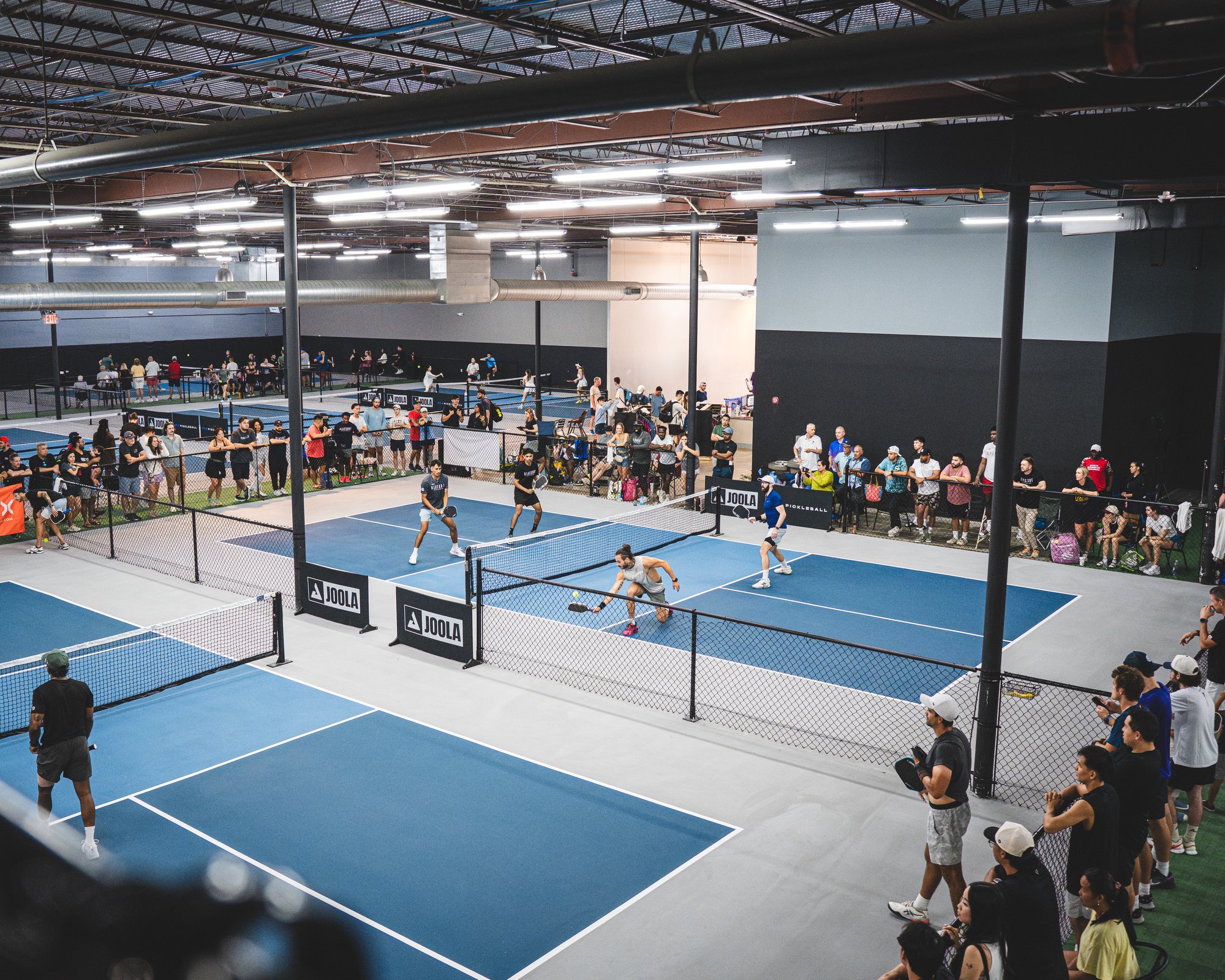
A note on equipment and space. You don’t need fancy gear to run meaningful interval sessions. A well-marked court, a handful of balls, and an assistant coach or two can handle a lot. If your space is limited, you can run paired or small-group drills where players rotate in and out of the work blocks. If you have a full practice floor, you can introduce multi-net drills that keep the pace high while maintaining safety.
Two-two structure for a single interval session is often plenty: a warm-up focused on footwork and control, a core set of interval drills, and a short cool-down that emphasizes recovery breathing and mobility. You should leave the gym or court feeling both spent and purposeful, with a clear sense of which skills improved and how you’ll apply them in your next match.
A compact, practical set of interval drills you can deploy today
Let me offer a curated list of interval drills that have proven effective in Era Pickleball pickleball classes. Each drill targets a core facet of the game—anticipation, footwork, shot selection, and post-point recovery. The drills are designed to be cycle-friendly, so you can stack them into a single hour or spread them across a couple of sessions during a training week.
1) Quickstep to the ball This drill trains approach timing and early decision making. Have two players on the baseline. One feeds a series of alternating cross-court drives and down-the-line drives to the other, who must step into each shot with a small, quick adjustment, finishing the rally with a controlled drop or dink. The emphasis is on arriving at the ball early enough to make a confident choice rather than reacting at contact. The pace should be brisk but sustainable, and players should be coached to maintain a low, compact stance and to keep the paddle in a protective position in front of the body.
2) Wall-to-wall resets This drill doubles as conditioning and strategic shot selection. Use a wall or find out more a practice net and set up two players on opposite sides of a central line. The ball is fed to a variety of spots across the diagonal, requiring players to reset into a ready position after every ball. The goal is to keep the ball in play for as long as possible while finishing points with smart resets or soft shots that force the opponent into a defensive position. The emphasis is on clean contact, body balance, and rhythm.
3) Two-shot pressure points Here you introduce a specific pattern that players must execute within a short window. Start with a drive to the back corner followed by a quick, decisive volley to a corner; the opponent must respond with a blocking return that holds the rally. The work interval is 20 seconds with a 40-second rest. Repeat five rounds. This drill challenges anticipation and the ability to compress two decisive shots into a tight sequence while maintaining court position.
4) Targeted transitions This drill focuses on the transition from defense to offense. Place targets on the court that require players to move into a specific zone to finish the point. A feeder hits the ball to the defender, who must move to the target zone in one or two steps, then execute a decisive shot that ends the rally. The interval timing is short to moderate, aiming to build speed and accuracy under pressure.
5) Speed ladder rallies This drill uses a ladder drawn on the court to guide footwork patterns in quick succession. Players must move through the ladder pattern between shots, maintaining a steady rally with a partner. The ball comes in at different depths to encourage a range of footwork responses, from quick shuffle steps to wide lateral pivots. The drill supports agility, balance, and the habit of staying connected to the paddle through contact.
These five drills provide a balanced mix of technique, speed, and strategic decision making. They are designed to be easy to implement in most gym or court setups and can be adjusted to fit a range of player levels. When integrated into a broader program at Era Pickleball pickleball training facilities, you’ll see improvements in court coverage, shot quality, and rally endurance.
Progression and customization: turning wins into habits
The real value of interval training lies in its progression. Once players demonstrate competence with the base version of a drill, you elevate it by tweaking variables that push the difficulty without sacrificing form. Here are practical progression ideas you can apply in the next session:
- Increase the work interval by 5 to 10 seconds. If the original block is 20 seconds, test 25 seconds and observe where form begins to degrade. The key is to maintain technique while pushing the clock.
- Shorten rest intervals. Reducing downtime trains recovery efficiency and forces players to stay sharp as fatigue accumulates.
- Add movement variety. Substitute different shot types within the drill. For example, in the Quickstep drill, switch from groundstrokes to volleys to test control in closer proximity.
- Elevate target complexity. Use smaller zones or more challenging placements to demand higher precision.
- Integrate a cognitive element. Have players call out the direction of their next shot or predict where the ball will land before contact to build anticipation.
Practice structure you can replicate with confidence
If you’re running a program for era pickleball training or coaching sessions at a local center, you’ll find that a well-structured practice block yields better retention and more consistent gains. A typical 60-minute session could unfold as follows: a 10-minute warm-up emphasizing footwork and light mobility, a 25-minute core interval block built around the five drills above with brief rest periods, and a 15-minute integration phase where players apply what they’ve learned in a simulated game scenario. Finish with a five-minute cool-down that includes breath work and mobility.
In terms of coaching style, keep your cues precise and action oriented. Focus on tangible cues like “stay low,” “move early,” “keep the paddle in front of your body,” and “finish through the ball.” These cues translate into reliable adjustments on the court and are more effective than generic reminders.
What to watch for in players as they train
As you implement interval drills in your Era Pickleball pickleball coaching, pay attention to a handful of indicators that signal solid progress. Look for improved edge control when players drive the ball, the ability to reset effectively after a tough rally, and a more consistent ability to finish points with purposeful shots. You’ll also notice changes in breathing patterns, with players demonstrating more controlled inhalation and exhalation during intense blocks. When stamina and technique grow in harmony, you’ll see players handle longer rallies with less fluctuation in shot quality.
Common stumbling blocks and how to address them
Some players hit a plateau because they overemphasize speed at the cost of control. It’s tempting to chase the fastest possible rally, but the resulting form can deteriorate and create bad habits. When you see that drift, you should slow the tempo, bring the focus back to contact point and balance, and reinforce the first principle: early arrival to the ball. Another frequent issue is neglecting recovery between points. Recovery is where skill consolidates. If players are hurrying the reset, you’ll want to emphasize the importance of setting the feet, finishing the shot, and then stepping out for a clean breath before the next rally.
Finally, consider fatigue management. Interval training benefits from conscious pacing. If players begin to lose technique due to exhaustion, scale back a touch and reintroduce the drill after a short rest with emphasis on technique before ramping the tempo again. The goal is sustainable improvement, not a bruising workout that leaves players sore and discouraged.
A few practical notes for coaches and facility managers
- Set a clear clock or timer in every drill. A visible countdown helps players pace themselves and reduces the tendency to drift into casual rallying during the work phase.
- Use positive reinforcement. A quick acknowledgment for clean contact or smart shot choice can reinforce the behavior you want to see and keep players motivated.
- Rotate partners to avoid stalemates. A rotating pair system ensures players experience different pace and spin, which broadens their adaptation window and prevents stagnation.
- Keep the environment safe. The most effective interval work is the work that can be repeated safely over weeks and months. Routinely check for proper footwear, court surface cleanliness, and paddle alignment to minimize risk.
A note on the broader benefits of interval training in pickleball
Beyond the obvious improvements in speed, accuracy, and endurance, interval training helps players gain confidence in high-pressure moments. When you know you can sustain a high level of play for short bursts, you’re less likely to panic in the late rallies of a tight match. Confidence is a subtle currency in pickleball; it buys you a fractional moment of clarity when the rally demands a crucial decision. Interval drills tune that currency.
In the context of Era Pickleball pickleball training, interval work is not a substitute for skill development but a precise amplifier. It creates a home for the confidant, consistent player who can transfer the learning from drills into actual match situations. It also provides coaches with a reliable framework to measure progress—under a time constraint, with a rhythm players can feel in their legs, and with outcomes that are clear and observable.
From my own coaching experience, the most striking element of interval work is its immediacy. A player who spends a few sessions with a disciplined interval sequence often returns a week later with a noticeable difference in how they approach a point. The body remembers patterns better when it isn’t asked to learn them all at once. The intervals break the mental load into digestible chunks, and that makes the learning stubbornly durable.
A final reflection for players and coaches alike
If you take one idea away from this guide, let it be this: interval drills aren’t about turning the clock back to a beginner's pace. They are about locking in faster, cleaner decisions under realistic pressure. The goal is to get good at the moment of contact, at the transition moments between shots, and at the art of recovery after a hard rally. When you approach training with that frame, you’ll find that your pace on the court becomes more purposeful, your shot choices become sharper, and your movement feels more economical.
In Era Pickleball pickleball training, the path to quick wins is paved with deliberate repetition and smart pacing. The drills outlined here provide a practical starting point, a way to structure practice so that every minute on the court counts. The real reward isn’t a single dazzling rally. It’s a steadier, more confident level of play across a whole match, a sense that you can stay in the fight without sacrificing form, and the feeling that you own the pace rather than simply reacting to it. That ownership is what turns practice into execution, and execution into results that matter on game day.