Finding a Pickleball Club Era Pickleball Near You
The first time I walked into an Era Pickleball facility, the sound of paddles tapping, wheels squeaking on gym floors, and the low murmur of friendly banter wrapped around me like a warm jersey. It wasn’t just the sport that drew me in, but the sense of belonging that comes with a well run club. Pickleball can be social and strategic at the same time, and a great club amplifies both. If you are searching for a pickleball oasis close to home, the Era Pickleball network offers a spectrum of environments—from snappy indoor courts that stay constant through cold snaps to outdoor venues that take full advantage of long summer evenings. This article leans on practical experience to help you identify the right Era Pickleball option for your goals, whether you want rowdy leagues, serious technique coaching, or a low pressure space to unwind after a long day.
Two things to start with are clarity about your own aims and a honest visit to prospective sites. Do you want a place that feels like a family, or something more competitive with formal leagues and rankings? Are you hoping to sharpen your footwork on a schedule that fits around work or school, or do you want casual play that happens when the mood strikes? Era Pickleball facilities vary, but there are consistent touchpoints you can use to judge quality: the court environment, the coaching ecosystem, the social fabric, and the operational rhythms that shape an ordinary week.
A recent Saturday morning at one Era Pickleball club still sticks with me. The venue opened with a warm little roar of people who clearly knew each other. The front desk staff remembered names and, importantly, remembered last week’s practical joke about a misrouted bag full of paddles. The indoor courts were spotless, and a hum of light chatter rose and fell with the pace of games. A coach walked through a crowd of players, offering quick pointers to a couple of doubles teams and then slipping into a short drill with beginners who had just found their feet on the court. It wasn’t flashy in the sense of big sponsorship logos or a stadium vibe. It felt real, reliable, and practical. That mix is what I’ve learned to look for: warmth, consistency, and the kind of facilities that do more with less friction.
If you are new to the Era Pickleball ecosystem, the first order of business is to map where you can actually get on the court and what kind of environment you’ll be stepping into. The brand era Pickleball is not monolithic. Some clubs lean into speed and a fierce competitive culture, others emphasize accessibility, teaching, and weekly social play. In the sections that follow, I’ll share a balanced framework for evaluating indoor pickleball courts Era Pickleball and outdoor pickleball courts Era Pickleball, with concrete questions, observations, and a sense of how to balance trade offs.
What makes a great Era Pickleball club worth joining
The core of a great club experience is a blend of reliable courts, responsive staff, and people who make you feel your best on and off the court. In my experience, the best Era Pickleball clubs create a rhythm that makes it easy to keep showing up. You don’t have to win every match to enjoy the place; what matters is that the space supports your growth as a player, your social energy, and your schedule.
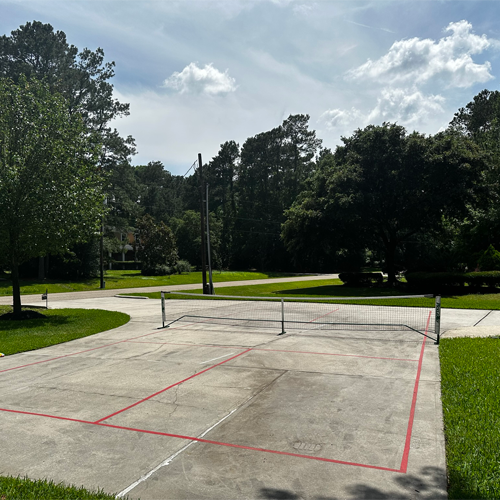
Court quality matters, but it isn’t everything. A well padded floor that reduces fatigue after long sessions, proper lighting that doesn’t glare, and consistent net heights matter more than the latest gadgetry or signage. A typical Era Pickleball indoor facility has six to eight courts in a single well lit hall, sometimes with a quieter training court tucked away for beginners. Outdoor courts, when available, bring a different texture to the routine: wind management becomes a real factor, the sun angle shifts with the season, and the surface condition can swing with weather patterns. If you plan to play outdoors, ask about the maintenance cycles, the availability of shade structures, and the times when courts are busiest so you can sprint into the best hours.
Off court, a thriving club runs on a dependable administrative backbone. The front desk should be able to answer practical questions about court reservations, class schedules, and membership options within moments. The staff should be able to help you book a court after a late shift or a weekend afternoon when you want to play with a friend who just learned the sport. A good club also helps you navigate the financial side without pressure, offering transparent pricing, a clear path to trial periods, and a reasonable cancellation policy.
The coaching ecosystem can make or break your trajectory. In the best Era Pickleball clubs, coaching isn’t a single person with a loud voice. It’s a community of players who share tips, a rotating team of certified coaches, and a schedule that allows you to sign up for progressive seminars and weekly drills. Look for a club that labels its coaching tracks clearly, whether it’s a beginner’s ladder, a strategy clinic, or a footwork session that you can add to a standard weekly routine. I’ve found that a program with at least two to three coaches who you can reach by email or chat is better than a great one with a single charismatic instructor who is often booked up.
What makes a club a good fit for your needs?
Your personal rhythm matters as much as the court. Have a plan when you walk in the door. My approach is to test a club in three passes: a quick first impression visit, a longer second session that includes a class or a social round, and a third visit during a peak time when the place actually hums. This three step approach gives you a honest read on how the club lives in real life, not just in a glossy brochure.
First impressions can be surprisingly informative. When you walk into an Era Pickleball facility, notice the level pickleball near me of activity in the lobby and the tone of conversations on the courts. Do people seem helpful and friendly, or tense and hurried? Are the courts clean and the lines fresh? Do you hear the satisfying thwack of paddles meeting balls, or is there a confusing cacophony of mismatched balls and stray voices? A good club keeps the court a sanctuary from the world outside, but it doesn’t pretend the world doesn’t matter. People at front desks who greet you by name or with a friendly question about your goals are a strong signal that the culture is welcoming and organized.
If your goal is serious improvement, you’ll want to know how the club handles skill development. Look for a recurring schedule that includes structured drills, group clinics, and occasional private sessions. A well orchestrated calendar lets you plan a path from casual play to more advanced instruction without feeling forced into a single track. If coaching is not a central feature but you want it, verify what options exist for private coaching and what the pricing looks like—sometimes a club’s most helpful resource is not a formal program but a seasoned player who is available for occasional feedback between rounds.
Social life is not a luxury, it is part of the glue. Pickleball has a social layer that makes the sport sustainable for many players. A club that hosts regular social rounds, theme nights, or seasonal tournaments helps you meet people with similar aims. It also gives you a quick check for cultural fit. Do the conversations tend toward positivity and encouragement, or are whispers about rivalries more common? The best places balance healthy competition with a spirit of inclusion, where players cheer each other on and new faces are welcomed rather than tolerated.
Two practical routes to finding an Era Pickleball near you
The simplest path is to start with the Era Pickleball website and map out options near your zip code. The closest facility is often your best bet, but proximity isn’t everything. If you have a flexible schedule, there is value in comparing a couple of nearby options to understand the range of experiences available in your region. If you’re on the fence about indoor versus outdoor play, consider the seasonality of your local climate. In regions with cold winters, indoor courts might offer a steadier, more predictable practice cadence; in warm climates, outdoor courts can be a delightful extension of the game and a social magnet during extended daylight hours.
An alternative route is to lean on your local pickleball community for recommendations. Social media groups, local clubs, and even players you know from other sports can provide candid opinions about the best Era Pickleball clubs in your area. A handful of questions can yield a clear read: guardrails around booking and cancellation, the typical wait times for courts, and how stable the membership pricing is over the course of a year. When you hear stories about courts being double booked or a desk that never answers calls, that is a sign to look elsewhere.
A common mistake is assuming that a flashy facility equals a better experience. I have played in rooms that glitter with new nets and bright LED lighting, yet the culture was unsupportive and management was slow to respond. The inverse has been true as well: a modest space with a predictable schedule, friendly staff, and a couple of patient coaches can be more enjoyable and more effective for improving your game than a brand new stadium where you never see the person who runs the program.
Two lists to help you focus during visits
If you want a quick, concrete checklist that fits into a single afternoon of visits, here are two compact lists you can carry with you. The first is a practical set of questions to ask front desk staff and coaches. The second is a short set of physical and program cues to observe on the courts.
What to ask during your visit (five questions)
- What is the average wait time for a court during peak hours, and how do you handle court reservations?
- Do you offer a structured beginner program and a clear path to more advanced classes or clinics?
- How many certified coaches are on site, and what is their schedule for the next month?
- What is the membership structure, including any initiation fees, monthly dues, and cancellation terms?
- How does the club handle equipment and maintenance, including paddle rental options and availability of loaner balls?
What to observe on the courts and in the program (five cues)
- The surface and lighting on indoor courts feel even and consistent; there is no distracting glare and the lines are fresh.
- There is a visible calendar of events and classes, with routes to join that feel accessible to players at different levels.
- Coaches and staff greet players by name and offer timely, constructive feedback during drills.
- Players of different ages and skill levels are on the floor together without cliques or exclusion.
- The pace of play during social rounds and the organization of leagues feel steady and well communicated.
The realities of choosing between indoor and outdoor facilities
Indoor pickleball courts Era Pickleball have the advantage of climate control, predictable conditions, and a familiar rhythm that lets you plan a weekly routine with some degree of certainty. If you live in regions where weather can disrupt outdoor play for months, the value proposition of an indoor setup grows quickly. You will notice that many indoor facilities—particularly those aligned with Era Pickleball—also optimize court turnover, meaning you can squeeze in multiple sessions on a weekend, with clean nets, consistent bounce, and a reliable schedule that your calendar can depend on.
Outdoor venues bring their own benefits and a fair amount of nuance. Outdoor courts are often part of a larger community space, which means players are likely to encounter more social energy, more opportunities for casual pick up games, and a longer season where play spills into the evenings as daylight extends. The wind and sun can be annoying, but they also teach you subtle skills: how to adjust your shot selection under variable conditions, how to communicate more effectively with your partner on a windy court, and how to pace yourself when the heat climbs. If you are disciplined about scheduling, outdoor venues can be incredibly rewarding, and many Era Pickleball programs run seasonal leagues and clinics tailored to outdoor play.
The cost calculus of joining an Era Pickleball club
Price matters, but it is not a standalone predictor of value. The right club for you should align with how often you plan to play, what you want to learn, and whether you want to participate in social events or competitive leagues. When you compare two Era Pickleball options, you can run a simple mental calculation: compare the monthly dues to your expected usage. If one club offers unlimited court time, weekly drills, and a strong coaching staff but charges a premium, you will need to estimate how many months you will realistically attend. Conversely, a lower price point that lacks structured coaching or a predictable schedule can lead to frustration if you expect to progress and remain engaged. In practice, I have found a sweet spot in the middle: a facility that offers a reasonable monthly rate, a handful of included classes per week, access to private coaching at a predictable rate, and a robust social calendar that creates reasons to come back.
The role of leagues, leagues, and more leagues
Leagues are the heartbeat of many Era Pickleball clubs. Whether you are chasing a high stakes competition or simply want a structured way to test your skills against players of similar levels, leagues provide a measurable goal and a social framework. A well run league program is not an enclave for the top players alone; it is a ladder with clear entry points and fair, transparent rules. Look for a club that publishes its league format in advance, including division levels, contact points for team captains, and a straightforward method for sign ups. A good league system includes a short pre-season assessment to place players in appropriate divisions and a schedule that avoids crippling conflicts with your other commitments. If leagues feel opaque or punitive, your motivation to participate will erode quickly.
The trade-offs of joining a premier Era Pickleball facility
A premier Era Pickleball facility can offer an extraordinary level of service, advanced coaching, and meticulously maintained courts. The trade-off tends to be flexibility and access. High end clubs often book up quickly, require advance reservations, and carry higher membership prices. If your schedule is erratic, you may find yourself locked out during peak times or paying for access you do not fully utilize. The upside is the guarantee of consistency: shorter wait times for courts during busy periods, a top notch coaching staff, and a calendar that reads like a well engineered practice plan rather than a scramble for court time. If you value predictability and the chance to train with intent, a premium Erapickleball facility could be worth the investment. If your life throws up a lot of last minute changes, you may prefer a more flexible, lower cost option even if it means accepting a less polished experience on busy days.
A practical way to begin using Era Pickleball near you
Let this be your simple, practical plan to start using Era Pickleball near you. First, identify a few candidate facilities within a comfortable driving radius. Second, check their current open hours, court reservation systems, and membership details. Third, book a trial session at each of the top two or three options. During trials, be deliberate about your goals: do you want a quiet space to work on serve returns, or do you want a lively forum to test your doubles strategy with peers who push you? Fourth, compare the experience you had at the different venues. Do you feel supported by staff, are the courts consistently well kept, is the coaching responsive, and do players of various skill levels seem included? Fifth, decide on a long term plan that aligns with how much time you realistically have to spare for the sport and how much you want to invest in your game.
A note on culture, language, and inclusion
Culture is more important than branding when you consider an Era Pickleball club as a home base. It isn’t enough for a club to advertise in bright colors about its community; you need to feel it. A good club makes a point of welcoming players who are new to the sport, players who are coming back after a hiatus, and players who may be transitioning from other racquet sports. It should be easy to find a partner for a quick match, and the staff should be ready to facilitate additional games if you arrive and discover you are short on partners for the hour. When a club prioritizes inclusion, you will notice it in the little things: a genuine smile from the front desk, a coach who explains a drill using accessible language, and a willingness to make accommodations so players with different abilities can participate fully.
A final call to your future self
When you look back on your decision, you want to feel that you built a routine you can sustain. You want to say that you found a place where you learned something new each week, where you met people who inspired you, and where you could be consistent even during busy seasons at work or school. The best Era Pickleball clubs turn routine into something restorative: the early morning or late afternoon session that clears your head, the friendly match that ends in a handshake and a plan to meet again, the coach who helps you fix a flaw that has nagged you for months. It is not a matter of luck but of thoughtful exploration and honest assessment of what you truly want from the sport.
If you are ready to dive in, start with a realistic frame for your time and a concrete plan for your growth. The Era Pickleball network is sizable and capable of accommodating a range of needs. Indoor facilities can provide a predictable, discipline friendly environment that supports steady progress, while outdoor courts can add variety and a seasonal rhythm that deepens your understanding of how the ball responds in different conditions. Whichever path you choose, you will be joining a community that shares your love of the sport and your commitment to improving through practice, patience, and participation.
In the end, your best choice will be the club that feels as if it was built around your schedule, your goals, and your sense of fun. A place where you can walk in after a long day, drop a few good serves, and walk out with a story to tell—about a new drill that clicked, about a friend you made on the other side of the net, about the moment when the rally finally turned in your favor. That is the essence of Era Pickleball near you, a community built around the simple, rewarding act of playing pickleball well and together.