pickleball classes erapickleball.com: Flexible Options for Busy Players
If you’ve ever chased a sunset practice session after a long day at work, you know how precious time can feel when it comes to staying sharp on the court. Era Pickleball has built a reputation for turning that time into something meaningful rather than another competing demand. Their pickleball classes, offered through erapickleball.com, are famously flexible, designed for people who juggle schedules that shift as the week wears on. The result is a program that respects your calendar without sacrificing progress. This is more than a simple class catalog. It’s a philosophy of coaching that recognises real life, with all its late meetings, family duties, and spontaneous opportunities to play outdoors.
In this article I want to pull back the curtain on why era pickleball classes feel different, how the scheduling options work in practice, and what this means for someone who is serious about improving while retaining control over daily life. The landscape of pickleball coaching has grown crowded in recent years. Many programs promise results but struggle to fit into the rhythms of contemporary life. Era Pickleball’s approach to training and scheduling is grounded in practical experience. It’s the kind of distinction you feel once you start using the platform regularly, not just when you first sign on.
The heart of any training system is its ability to translate intention into action. Too often, ambitious goals evaporate into the noise of a busy week. What sets era pickleball classes apart is a deliberate alignment between what you want to achieve and the means by which you can achieve it. The platform is not just about technique drills or conditioning routines. It’s about making those drills accessible when you actually have time, and making sessions matter in ways that stretch beyond a single practice.
A practical entry point into the era pickleball system is to understand the core idea of flexible options. The coaching staff has structured a menu of choices that respect the unpredictability of life while keeping the long view in focus. You can attend in-person sessions at specific courts, join remote or hybrid formats, or select private coaching that can be tailored to your current level and ambitions. The aim is to keep learning continuous, without creating a monthly obligation that feels like a burden the moment life gets busier.
If you’re new to this ecosystem, you might wonder what exactly “flexible options” means in the real world. It isn’t simply choosing between a morning or evening slot. It’s a bundled approach that considers your goals, your preferred learning style, and the cadence of your weekly schedule. The coaches at Era Pickleball have learned to calibrate progress to fit a pace that never feels rushed, while still ensuring steady, measurable improvement. That balance is tricky. It requires a willingness to adapt on both sides of the equation.
The platform’s design rests on a simple, powerful premise: growth happens in context. It isn’t about isolated drills that you can complete in a vacuum. It’s about integrating feedback, technique refinement, and game-play intelligence into your natural routine. The flexible options—whether you’re seeking a single focused session to address a specific skill or a longer program that evolves with your advancing capabilities—are built to slot into real life rather than against it. In practice, this translates to more consistent practice, fewer gaps in learning, and a coaching relationship that remains relevant even as your schedule shifts.
Before diving into the specifics of the class formats, it helps to ground the discussion in what players typically want from a pickleball coaching relationship. Most players are chasing three core outcomes: sharper technique that reduces unforced errors, better court awareness that makes you a smarter opponent, and sustained motivation that keeps you showing up. The good news is that era pickleball classes are designed to address all three with a sense of continuity. The coaching teams know that progress is rarely linear. You might surge forward in some weeks, then consolidate skills for a while before another small breakthrough occurs. The system prizes continuity over rushed leaps, which is exactly the attitude that builds durable improvement.
One of the clearest advantages of Era Pickleball’s approach is the clarity of progression. When you join a class or coaching track, you’re often given a road map that aligns with your current level and your stated targets. If your aim is to refine dinking placement and poise at the net, you’ll follow a sequence that starts with fundamental control and gradually layers in speed, deception, and strategic decision making. If your focus is more on competitive play, the curriculum tends to emphasize shot selection under pressure, transition points, and returning to neutral after aggressive plays. The coaches maintain a consistent thread through the program, ensuring that even if your schedule fluctuates, you never lose sight of the underlying principles that drive improvement.
The practical benefits of flexible options reveal themselves in small, everyday ways. You can adapt to a shift in work hours by moving a session to a lunch-time window, or you can swap an in-person appointment for a virtual session when travel gets in the way. The platform is designed to keep you moving forward, even when life throws curveballs. What matters is the willingness to engage with the available formats rather than waiting for a perfect window that never arrives. In the long arc of skill development, those micro-adjustments accumulate into real performance gains.
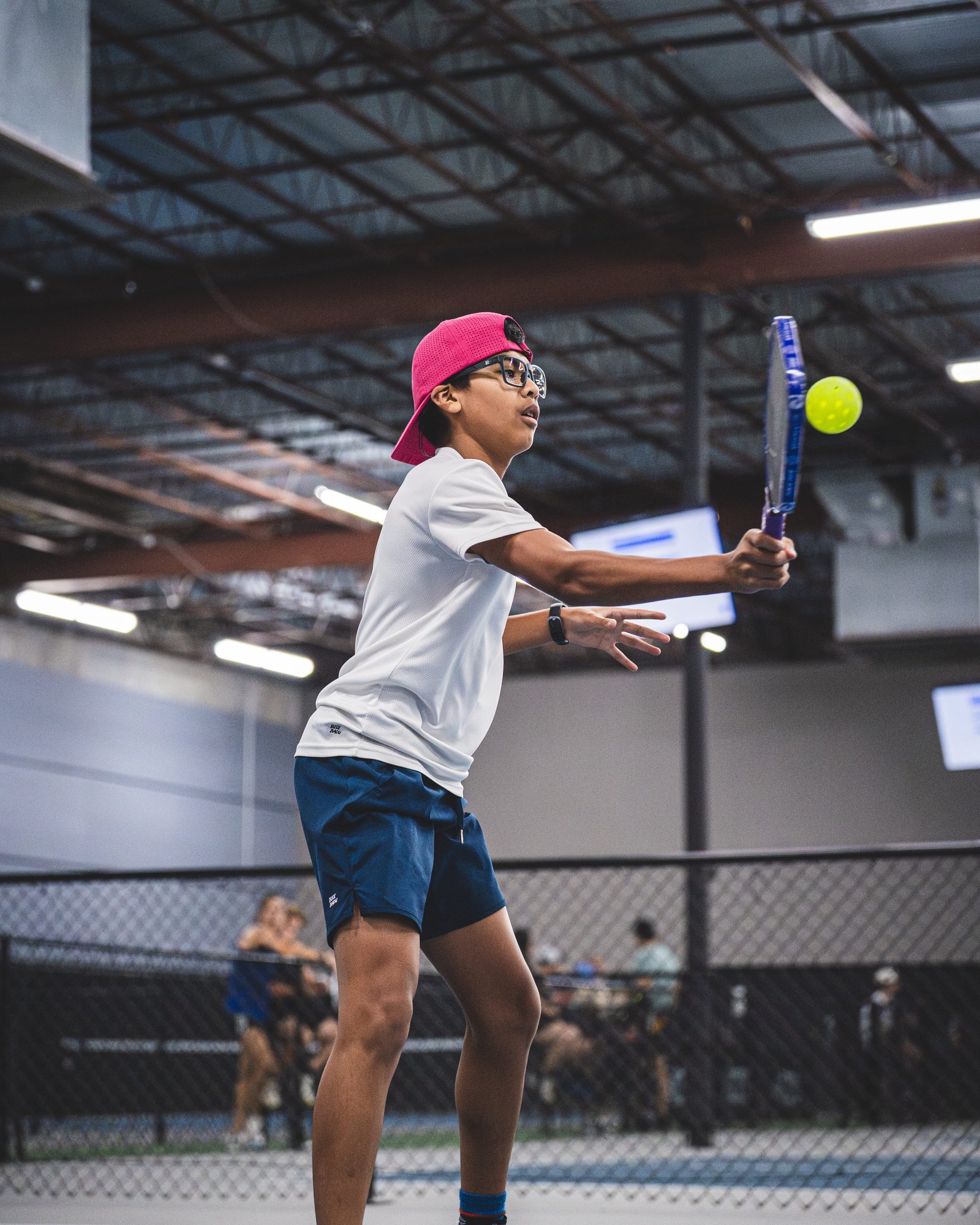
To appreciate the value of era pickleball classes, consider the typical week of a busy professional or caregiver who loves the game. You might begin with a midweek coaching call to review recent matches and identify two or three concrete adjustments. On a weekend, you could join a courtside session that emphasizes live feedback during point play, then use an at-home practice routine to reinforce the movement patterns you’ve learned. The flexibility reduces the friction of training, turning what used to be a source of stress into a reliable, predictable part of your routine. The days when you cannot show up become days you still can train, thanks to the mix of formats and the emphasis on purposeful, focused practice.
A core facet of the experience is the coaching relationship itself. Era Pickleball curates teams of instructors who bring a blend of competitive experience, teaching acumen, and a patient, observational style. They aren’t quick to rush recommendations; they listen, watch, and tailor. This is where many players discover the difference between generic instruction and coaching that grows with you. If you are stepping into pickleball at a hobby level, you’ll find the initial focus is on fundamentals, body awareness, and the rhythm of rallying that makes the sport feel intuitive. If your ambition is more competitive, the emphasis shifts toward shot economy, mental resilience, and the strategic use of discipline in decision making during points.
The differences in approach can feel subtle at first, but they matter over time. A good coach casts a wide net to catch small, teachable moments in every practice and match. They also respect your preference for tempo—whether you like a fast, high-energy session that pushes you to move and think quickly, or a slower, methodical rhythm that favors technical accuracy and detailed feedback. The era pickleball system recognizes that players bring their own tempo to the court, and the best outcomes come when coaching matches that tempo instead of fighting it. That sensitivity to rhythm is part of what makes the sessions feel personal rather than prescriptive.
If you’re weighing your options, you might wonder how these flexible formats actually translate into day-to-day use. The platform offers a spectrum of modalities that not only accommodate schedules but also learning preferences. For some players, the in-person option provides the immediacy of live correction and the social energy of a small group. For others, virtual coaching offers the convenience of practice routines that can be performed in a living room or a gym with minimal gear. The hybrid models bridge the gap between personal contact and practical efficiency, letting you blend direct feedback with self-guided practice. The common thread across these modalities is that you stay moving forward, and you stay connected to a coach who knows your name and your goals.
The broader pickleball ecosystem can easily overwhelm a newcomer. Terms like “drills,” “progression paths,” and “game intelligence” can feel abstract. Era Pickleball takes care to translate those ideas into something tangible. You are not signing up for a one-off improvement drill followed by silence. You become part of a system that records progress, revisits it, and revises the plan as you change. If you hit a plateau, the coaches pivot—adjusting the drill selection, tuning the footwork patterns, or altering the tempo of the sessions to re-engage your learning muscles. The emphasis is on sustainable improvement rather than quick wins that fade.
The question of value arises naturally when you consider the time and money involved. Flexible options do not automatically equate to a bargain basement price. What they do, in practice, is offer a level of return that aligns with how you live. You get targeted coaching that adapts to your schedule, rather than a rigid program that assumes a 90-minute, twice-weekly slot is possible no matter what. If you break down the cost by the total number of meaningful practice hours you actually get in a given month, you may find the value is higher than a fixed-pace program that forces you into appointments you seldom keep. In short, flexible access tends to translate into higher consistency over time, which is the real catalyst for improvement.
The structure of the program also favors a personalized approach to injury prevention. In any sport, smart practice means balancing intensity with recovery. Era Pickleball coaches incorporate mobility work, light conditioning, and movement screening into the initial onboarding. You are more likely to understand why a certain stance or weight shift matters when you can see it linked to a specific drill. This isn’t about turning your practice into a clinic; it is about embedding healthy movement habits so that you can continue playing for years without hitting recurring aches. The coaches are mindful of common limitations, from knee sensitivity to shoulder strain, and they adjust load and complexity accordingly. That level of attentiveness turns training from something you endure into something you look forward to.
The ecological validity of the training—that is, how well the coaching translates to real matches—rests on a steady feedback loop. You practice, you test the skill in a simulated game, you receive direct feedback, and you return to practice with renewed focus. This loop is where the flexible options prove particularly valuable. If you get a challenging late session and you’re not sure you absorbed a correction, a quick online recap or a short follow-up video can reinforce the learning outside of the live session. The system thrives on concrete, repeatable cues that you can carry from the court to the match and back again.
Below are two compact lists that illustrate how a typical week might unfold for someone leveraging Era Pickleball’s flexible options. The items are not exhaustive; they are snapshots designed to show how the scheduling, coaching style, and practice philosophy come together in real life. If you’d like a deeper dive into any particular format, the coaches at erapickleball.com are happy to walk you through options that align with your calendar and goals.
-
What a balanced week can look like with flexible options
-
A two-hour in-person session on a weekday evening focusing on net play and transition drills.
-
A 45-minute short-form video review of a recent match with annotated feedback.
-
A midweek 30-minute private coaching call to address a specific issue, such as backhand slice or serve placement.
-
A self-guided practice routine that you perform at home, built from a short sequence of drills tailored to your current level.
-
A weekend light rally session with a friendly group that reinforces consistency and keeps you connected to the community.
-
A sample plan for a high-commitment player who values progression
-
A weekly private coaching block that precisely targets your stated goals, with progression tracking and periodic reassessment.
-
A midweek group clinic that rotates focus among serve, return, and dink strategies to prevent stagnation.
-
A scheduled video analysis session to review live play from the previous weekend.
-
A mobility and conditioning routine integrated into your warm-up to support longevity on the court.
-
A weekly reflection note from the coach highlighting one concrete adjustment and one area for future focus.
With two lists in place, it is worth stepping back to consider what those choices imply for a player’s long-term trajectory. A flexible program is not a shortcut to mastery. Mastery demands time, consistent practice, and the humility to adjust. Yet the flexibility removes one of the most common obstacles standing in the way of steady progress: schedule friction. When you can connect with a coach who understands your life context, you gain a partner who can help you stay engaged even when the rest of your week feels crowded. The relationship becomes a reliable reference point, something you can lean on when you’re tempted to skip a session or let a week slip by.
There is another dimension to consider: the social environment around era pickleball classes. The community aspect matters more than many players expect. When you join a course or a coaching track, you are entering a space filled with people who share your curiosity about the sport and your desire to improve without sacrificing other commitments. The group dynamics foster a sense of accountability, of friendly competition, and of mutual support that makes practice feel less like a chore and more like a weekly ritual you genuinely look forward to. You can watch other players, too, absorbing subtle cues that aren’t spelled out in drills. Observing a well-executed partner drill or a clever court shift can be as educational as the direct instruction you receive.
Of course, no system is without its edge cases. There are weeks when your schedule will be particularly volatile, or when a major life event requires you to pause training temporarily. The hallmark of a robust flexible program is how it handles those moments. In practice, you will see a few predictable patterns: options to pause or adjust your ongoing commitments without losing your place in the coaching path, quick rebooking windows, and a structure that makes up for missed sessions with targeted, high-value micro-practices. The best coaches will not penalize you for genuine constraints; they will recalibrate with you, preserving both momentum and confidence.
Another practical reality to weigh is the investment in gear and preparation. A lot of the value in era pickleball coaching comes from the guidance around the essentials—grippy paddles, suitable footwear for indoor or outdoor courts, and the kind of apparel that keeps you moving without distraction. The coaching staff can offer recommendations tailored to your level, the climate and the typical court surfaces you encounter. They don’t push a one-size-fits-all kit. Instead, they help you build a practical, reliable setup that supports your training routine rather than complicating it.
The stories I’ve heard from players who have used era pickleball classes expose the same pattern: initial skepticism gives way to steady reliance. A busy mom who wanted to reclaim a personal time slot found that the scheduling flexibility allowed for a weekly session scheduled between carpools and after-school routines. A corporate professional who traveled extensively discovered that the hybrid and remote options kept her on track even when she could not physically be on a court. A retiree who took up pickleball to stay active found a community that offered both instruction and social connection. In each case, the program did not pretend to be a perfect fit for everyone. It offered a spectrum of viable pathways and then leaned into consistent, real-world usage.
If you’re considering a first step, you might begin with a no-pressure inquiry. Reach out to the era pickleball team and explain your current schedule, your goals, and any limitations you’re facing. A candid conversation about when you can practice, how intensely you want to train, and what kind of feedback you respond to is often the fastest route to a plan that feels tailor-made. The right coach will ask questions that reveal your learning style and your readiness to adapt. They’ll propose a starting point that feels doable, and then they’ll monitor your response, adjusting as necessary. The path to improvement should feel collaborative, not prescriptive.
In a sport where the court is a blank page waiting for your ideas, flexible coaching formats are a vital resource. They shield you from the emotional tax of an overloaded week while preserving the integrity of your training. Era Pickleball’s approach recognizes that the most meaningful growth happens at the intersection of consistent practice and meaningful rest. You do not improve by grinding through sessions you cannot attend or by chasing a perfect schedule that never materializes. You improve by showing up, by listening to feedback, by incorporating one or two precise refinements into your game, and by repeating that cycle again and again in a rhythm that respects both your life and your aspirations.
The conversation around pickleball coaching is evolving as the sport grows more popular and more competitive. Programs like erapickleball.com are not merely selling a service; they are guiding players into a more intentional, sustainable way of practicing. The best coaches are not gatekeepers of technique. They are curators of context, helping you interpret what your opponent is doing, what your own movement is telling you, and how to translate that information into better choices on the court. When you combine rigorous feedback with flexible, practical scheduling, you create a learning environment that stays with you long after a particular drill has ended.
Ultimately, the value of Era Pickleball’s flexible options lies in what you do with them. Do you treat each session as a fresh chance to test a new idea? Do you bring a note of curiosity to every rally and use those moments to verify what works and what doesn’t? Do you carry the discipline of recording your progress so that weeks from now you can look back and see just how far you have come? If the answer to any of these questions is yes, you have already begun to unlock the power of flexible pickleball coaching.
To summarize, era pickleball classes on erapickleball.com offer a compelling model for busy players who still crave meaningful progress. The strength of the program rests on a few core elements: a thoughtful, goals-driven approach; a spectrum of formats that adapts to life as it unfolds; coaches who blend technical rigor with patient feedback and practical wisdom; and a community that values consistency, accountability, and mutual support. This combination creates a training environment where you can advance without surrendering your other commitments. It is, in its essence, a practical investment in your future enjoyment of the game.
If you are ready to explore the options, the next step is simple. Look at the available formats, consider how they map onto your week, and pick a starting point that feels both ambitious and doable. You do not have to choose a single right answer for the long term. The beauty of flexible pickleball coaching is that it evolves with you. You can adjust as your schedule shifts, as your goals sharpen, and as your confidence on the court grows. The result is a learning journey that remains relevant and rewarding, no matter how your life changes.
The journey from curious beginner to confident intermediate player is rarely a straight line. It is more like a careful weaving of practice, feedback, and play that respects your time while demanding the focus that real improvement requires. Era Pickleball’s flexible class formats acknowledge that truth. They create a space where skill can be built steadily, in a way that honors your responsibilities and your love for the game. For players who want to keep moving, no matter what the week throws at them, this is exactly the kind of approach that makes sense. It is a practical, human way to train, a path that recognizes both your ambition and your daily life.
If you’re reading these lines and thinking that flexible, grounded coaching sounds like the kind of support you have been seeking, you are not alone. The players who lean into this model tend to stay engaged longer, pickleball courts near me watch their game steadily improve, and come away with a sense of momentum that carries into every match they play. It is not about magic, and it is not about shortcuts. It is about choosing a form of coaching that treats your schedule with respect and regards your progress as a real objective. In the end, that is what makes era pickleball classes compelling: they meet you where you are and guide you forward with clarity, practicality, and a quiet confidence born from genuine improvement.
As you consider your options, keep in mind the season you are entering. Summer can open up more daylight for outdoor practice and casual play at parks, while winter often draws players indoors to controlled environments where laser focus can be a productive discipline. The flexible formats are designed to accommodate both contexts, letting you leverage what each season offers. If you plan a trip, you can arrange a temporary pause and then resume when you return, with the same coach and the same learning trajectory waiting for you. The continuity is subtle, but it matters a great deal when you measure progress across months rather than weeks.
The road ahead for era pickleball coaching is not about replacing your existing routines with a single dominant template. It is about honoring the complexity of modern life while providing a reliable, high-quality pathway to better play. The platform’s emphasis on flexibility, personalized feedback, and durable skill development creates an experience that stands up to the pressures of busy schedules. It invites players to make a commitment that is about consistency rather than intensity alone, and that is a rare and valuable combination in the world of sports training.
If you have made it this far, you may already be imagining the improvements that could come with a structured yet adaptable plan. The promise is not a guarantee, but the track record is encouraging: players who engage with a flexible coaching framework show up more regularly, apply feedback with intention, and observe tangible gains in ball control, decision making, and endurance. The story is always the same in the end—progress comes from showing up, listening, and adapting. Era Pickleball makes that process feasible for people who lead busy lives, turning every session into a deliberate step toward a game you enjoy more fully and more consistently.
Maybe you have a favorite court nearby and a schedule that rarely cooperates with traditional training blocks. Or perhaps you travel often for work but still crave the structure of a plan that holds you accountable wherever you go. In either case, the era pickleball approach has you covered. By combining targeted coaching with flexible formats, it offers a sustainable path to improvement that does not demand a sacrifice you are unwilling or unable to make. If you want to learn more, the door is open. Reach out, describe your constraints, and let the coaches propose a starting point that aligns with your life. The rest will follow, one practice at a time, in a way that feels both practical and purposefully musical—the tempo of a sport you are learning to love and that you want to keep playing for years to come.